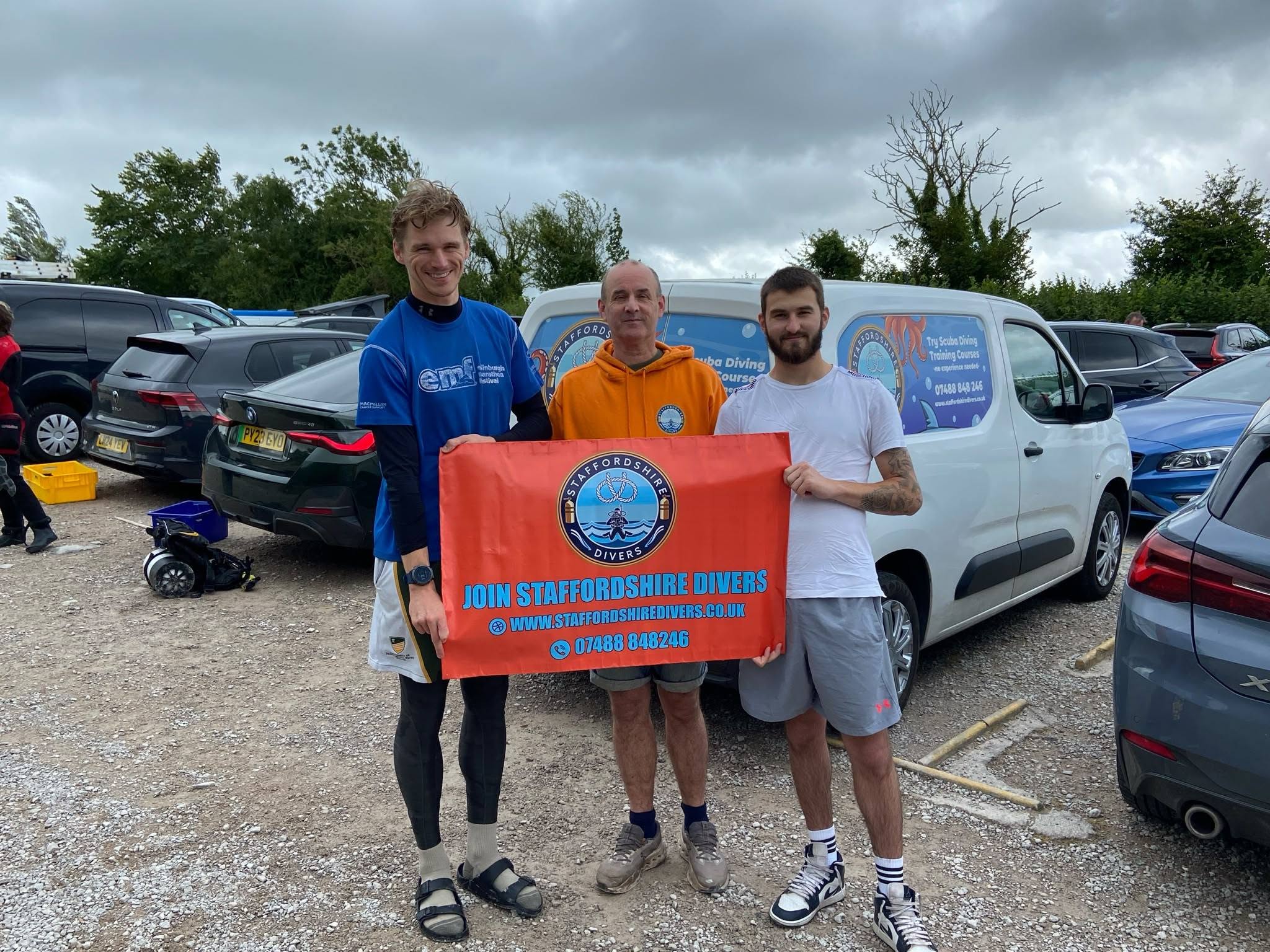
Congratulations Lee and Toby: BSAC ADP course completed!
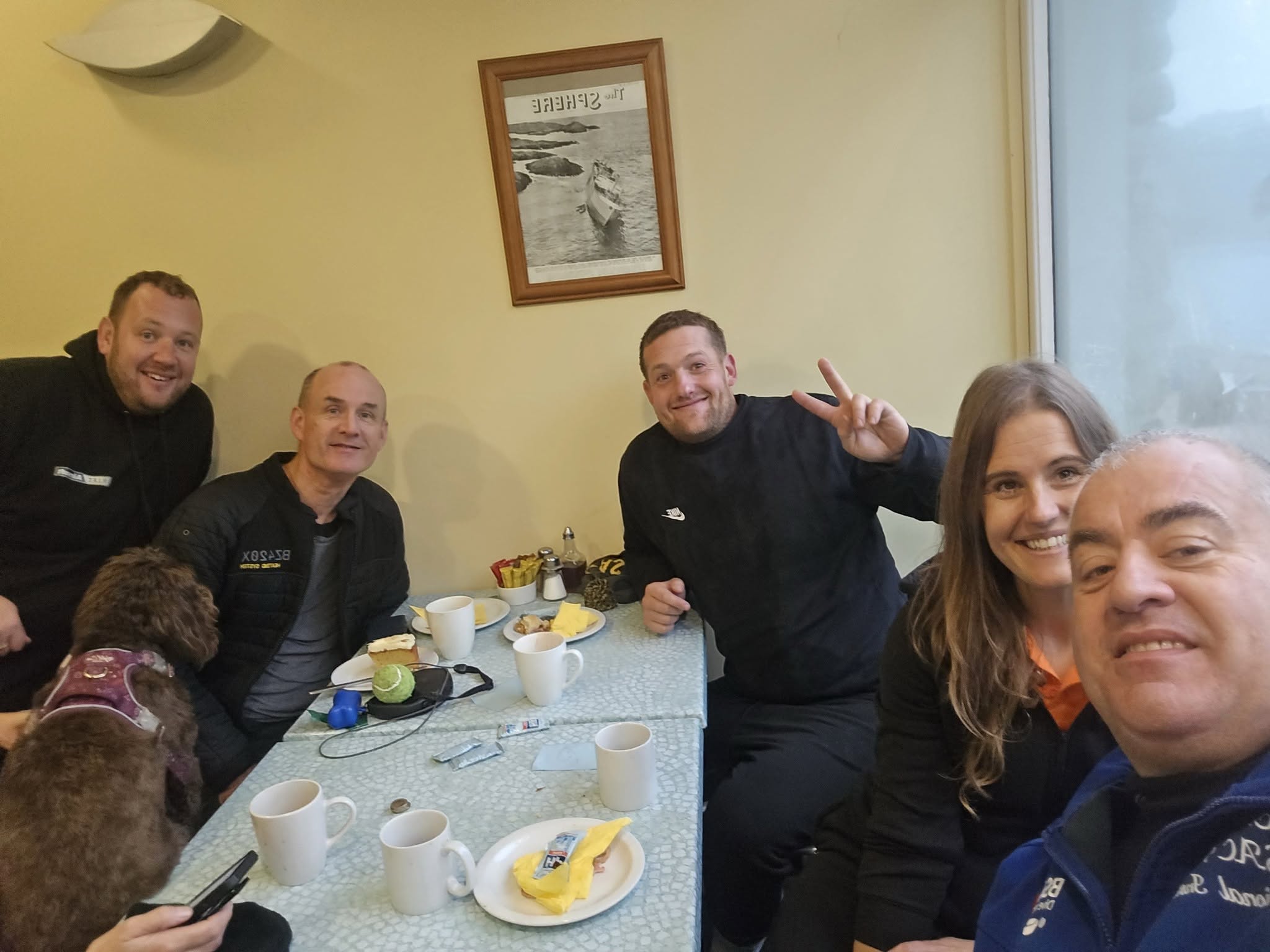
CELEBRATING OUR DIVERS
Congratulations to Lee and Toby on completing their BSAC Accelerated Decompression Procedures course!
A fantastic achievement for two Staffordshire Divers
We are delighted to celebrate Lee and Toby, who completed their BSAC Accelerated Decompression Procedures (ADP) course over the weekend of 24 and 25 October 2026.
Undertaking the course with the North West team represents another important step in their continuing development as divers. It is an achievement that reflects a commitment to further training, careful preparation and developing the skills needed for more demanding diving.
From everyone at Staffordshire Divers, congratulations to both of you!
What is Accelerated Decompression Procedures?
ADP develops the knowledge and practical skills involved in planned decompression diving using an additional oxygen-rich breathing gas. It brings together dive planning, gas management, equipment organisation and disciplined underwater procedures.
For readers new to diving, decompression describes the process of reducing pressure during an ascent while allowing dissolved inert gas to leave the body. Some dive profiles require stops during the ascent before a diver can return to the surface.
These mandatory decompression stops are different from an optional safety stop on a dive that remains within its no-stop limits.
Why is it called accelerated decompression?
At suitable depths, an oxygen-rich decompression gas can support the removal of inert gas more efficiently than the gas used during the main part of the dive. This can change the decompression schedule calculated for the dive.
Accelerated does not mean ascending faster or skipping stops. Divers still follow an appropriate plan, ascent limits and the requirements of their training.
The additional gas also introduces responsibilities. A mixture suitable for a shallow decompression stop may be dangerous at greater depth, so gas identification and controlled switching procedures are essential.
Planning the whole dive
A decompression dive needs a plan that covers more than the underwater attraction. Divers must consider how they will complete the ascent, manage their gas and respond if circumstances change.
Important areas of planning include:
- The dive objective: choosing a profile appropriate to the team, site and conditions.
- Breathing gases: selecting suitable mixtures and understanding their operating limits.
- Gas requirements: allowing for the planned dive and appropriate contingencies.
- Decompression: understanding the planned ascent and any mandatory stops.
- Alternative plans: considering problems such as an unavailable decompression gas or a shortened dive.
- Team agreement: making sure buddies understand the plan and their responsibilities.
The result should be a plan the divers understand and can put into practice, rather than a collection of numbers they simply follow without question.
Computers, software and informed decisions
The 2026 revision of BSAC ADP includes planning with software, apps and dive computers, alongside updated approaches to decompression and gas planning.
These tools help divers examine a proposed profile, but their usefulness depends on accurate inputs and an understanding of the settings. Depth, time, breathing gas and conservatism choices all influence the resulting plan.
A computer is an aid to decision-making. Divers still need to understand the information displayed, recognise when the actual dive differs from the plan and respond within their training.
Gas switching: knowing what you are breathing
Carrying another cylinder adds more than equipment. It adds another breathing gas that must be clearly identified and used only within its appropriate limits.
BSAC's updated ADP course includes a structured gas-switching procedure. The purpose is to make the change deliberate, checked and repeatable, rather than something rushed while attention is elsewhere.
Gas analysis, clear labelling, equipment familiarity and buddy communication all contribute to this discipline.
Always knowing what you are breathing is fundamental. This article explains the purpose of the training; the actual switching procedure must be learned and practised with an appropriately qualified instructor.
Buoyancy, trim and task management
Holding a stable position matters when a diver is checking equipment, communicating or making a gas switch. An unintended change in depth can affect both the decompression plan and the suitability of the gas being breathed.
Good buoyancy and trim also reduce unnecessary effort and leave more attention available for the dive. Equipment should be arranged so that important items can be identified and reached without losing control of position.
These are skills that benefit everyday diving too. More consistent depth control, tidier equipment and clearer communication remain useful whether a dive involves decompression or stays within no-stop limits.
Self-reliance within a buddy team
ADP promotes a thoughtful balance between personal competence and effective teamwork. Divers need to understand their own equipment and responsibilities while remaining aware of their buddy.
That includes sharing a workable plan, recognising potential problems early and communicating clearly when the dive needs to change.
Additional equipment and training do not remove the value of a good buddy. They make preparation, familiarity and shared understanding even more important.
What changed in the 2026 course?
BSAC refreshed ADP in 2026 to reflect developments in equipment, planning tools and technical-diving practice.
The published changes include:
- Provision for decompression gases containing up to 100% oxygen.
- Revised decompression and gas-planning approaches.
- Planning using software, apps and dive computers.
- An updated gas-switching procedure.
- An eLearning option for theory.
The permitted oxygen content is a course capability, not a statement that Lee and Toby used a particular mixture during their training. Gas choice and use depend on the actual dive plan, equipment and training requirements.
Progression is about capability, not chasing depth
Further training is most valuable when it helps divers make better decisions and carry out suitable dives with greater competence.
Completing ADP does not by itself provide an unrestricted depth qualification, replace other specialist training or make every decompression profile appropriate.
The next step is to consolidate the skills through suitable diving, maintain familiarity with the equipment and keep planning within the limits of the team's qualifications and experience.
For Lee and Toby, this qualification is another foundation to build on as their diving develops.
A club where learning continues
One of the pleasures of club diving is seeing members develop in different directions. A first pool session, an initial qualification, improved buoyancy or a specialist course can each represent a significant personal milestone.
Lee and Toby's achievement is a reminder that learning continues long after the first qualification. There are always skills to refine, subjects to understand more clearly and experiences to work towards.
You do not need technical-diving ambitions to enjoy being part of Staffordshire Divers. Members can discuss their interests, ask questions and explore suitable opportunities at their own pace.
Well done, Lee and Toby!
Congratulations on completing BSAC ADP, and thank you to the North West team for supporting their training.
We look forward to hearing about the course and seeing you put your developing skills into practice on suitable future dives.
Interested in developing your diving?
Already qualified and looking for diving buddies, further training or a welcoming local club? Come and meet Staffordshire Divers.
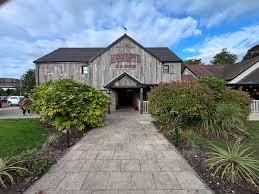
We meet on Wednesdays at 8pm at Hickory's Smokehouse, Kingsway, Stafford, ST16 1BE. Club nights are an opportunity to meet members and discuss your diving interests.
Explore joining as a qualified diver, find out about returning after a break, or contact us about your next steps.
Find out more about BSAC ADP
For official information, read BSAC's explanation of the 2026 ADP update and the BSAC Accelerated Decompression Procedures course page.
This is a club achievement report and course overview, rather than an operational dive plan or a substitute for training. Refer to current course materials and appropriately qualified instructors for detailed requirements.